

Best Calcium Chloride 94% Powder for Faster Ice Melting and Long-Lasting Dust Control
2026-11-16
When winter hits hard or haul roads kick up relentless dust, the right calcium chloride makes all the difference. This 94% powder formula works fast to melt ice and keeps surfaces under control long after application. Backed by the manufacturing expertise of Shouguang Golden Chemical, it delivers consistent purity and performance that many standard products simply can't match. Curious how one versatile material can handle both frozen walkways and dusty gravel drives? Read on to see why professionals are making the switch.
What 94% Calcium Chloride Powder Actually Does to a Frozen Sidewalk
When the granules hit the ice, they pull moisture from the air and the frozen surface almost immediately. That rapid hydration generates heat, which is why a thin layer of melt appears within minutes even when the air stays well below freezing. The powder doesn't just sit there; it forms a brine that spreads outward and undercuts the slab of ice, breaking the bond between the ice and the concrete. That's the real reason a sidewalk clears faster with calcium chloride than with plain rock salt.
One thing that surprises people is how aggressive this material is at lower temperatures. A 94% blend keeps working down to around -25°F, where most other deicers have already quit. The trade-off is that it leaves behind a slick, almost greasy film that lingers after the ice is gone. If the sidewalk has older concrete or exposed rebar, repeated heavy applications can cause scaling, spalling, and corrosion over time, so it pays to use a light hand.
The powder works best when it is spread evenly and given a few minutes to activate. Dumping a thick pile in one spot won't speed things up; it just creates a soupy puddle that can refreeze once the brine gets diluted. A thin, even scatter lets the melting front travel under the ice, so you can shovel off the loosened sheets instead of chipping at them.
Why Dust Control on Gravel Roads Wants the Same Fast-Acting Chemistry
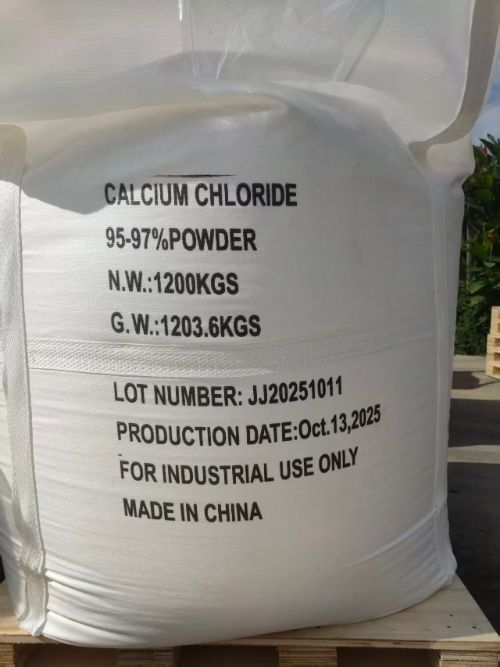
A gravel road holds together only as long as its fine particles stay in place. Traffic, wind, and dry weather loosen those fines quickly, and once they lift, the surface begins to break apart. A fast-acting chemical approach works at that critical point by binding loose material before a dust cloud can build. The aim is not just to wet the road for a few hours but to change how the surface holds moisture and resists movement within minutes of application.
Calcium chloride and magnesium chloride, for instance, pull moisture from the surrounding air and keep the roadbed slightly damp even when the weather stays dry. That allows the road to settle and compact promptly, capturing fine particles near the top rather than letting them escape into the air. Speed matters because every day the road keeps shedding fines means more grading, more stone loss, and longer stretches of poor visibility for drivers.
Fast-acting chemistry also cuts down the number of passes a maintenance crew has to make. A treatment that begins working on contact lets graders move over the surface sooner, and the road can take traffic without throwing up the same volume of dust. For many rural routes, this is less about adding another layer and more about getting the existing material to hold together like a bound surface from the first hour onward.
How Much Product You Really Need Per Lane Mile in Different Conditions
A light frost on dry pavement rarely calls for much more than a quick pass at 150 to 200 pounds per lane mile, while a wet snow dropping onto cold asphalt can demand 300 to 450 pounds just to keep the first inch from bonding. The temperature curve matters as much as the storm total: near 30°F, brines and pre-wet solids stretch further because the chemical only needs to soften the ice enough for traffic and plows to break it loose. Once readings fall into the teens and low 20s, reaction time slows, and many crews realistically jump into the 500 to 700 pound range on high-speed roadways before the surface locks up.
Heavy traffic changes the equation because tires push material off the travel lane and meltwater dilutes the chemical film, so interchange ramps, bridge decks and climbing lanes often need another 100 to 150 pounds per lane mile compared with flat, straight sections. Packed snow or ice that has already gone through a freeze-thaw cycle also consumes more product: you are not preventing a bond at that point, you are breaking one. In those cases, spot treatments and repeated applications at shorter intervals tend to use less total material than one aggressive initial pass that gets scraped away before it can work.
Rock Salt vs Calcium Chloride 94% Powder in the Last Hour Before Sunrise
The hour before sunrise tends to be the coldest stretch of the night, especially when skies clear and light winds allow surface temperatures to drop below the air temperature. This is also when thin films of frost or black ice are most likely to form on untreated pavement. In that narrow window, the difference between rock salt and a 94% calcium chloride powder becomes obvious because the reaction speed of the product matters more than how much material is spread.
Rock salt works by drawing moisture from the air or from existing ice to form brine, but in the last hour before sunrise it often moves too slowly. At the lower end of its working range it can sit on the surface, forming a gritty crust rather than cutting through the ice. If there is little residual moisture and the temperature is still falling, sidewalks and steps treated with rock salt may develop a fresh glaze even where the salt was applied earlier.
Calcium chloride 94% powder behaves differently in the same conditions. It begins to release heat as soon as it contacts moisture, which helps it break the bond between ice and concrete or asphalt quickly. It also remains active well below the temperatures where rock salt loses effectiveness, so a light application before dawn can keep a path from refreezing through the coldest part of the morning. The trade-off is usually cost and handling, but for that final pre-dawn hour the faster action is often what prevents a slip.
Keeping the Bag Dry So 94% Calcium Chloride Spreads Like Powder Not Paste
Calcium chloride at this concentration will grab moisture from the air faster than most people expect. A bag left open overnight in a humid garage can start forming a crust near the opening by morning. Once that happens, the material no longer flows like it should; it slides, sticks, and clogs drop spreaders, leaving you with uneven coverage that is hard to fix after the fact.
Keeping it dry is less about buying special equipment and more about small habits. Set the bag on a pallet or shelf instead of directly on a concrete floor, close the top with a clip or fold it tightly after every use, and avoid working out of a bucket that has been sitting outside. If the original bag is torn, transfer the material to a sealable container immediately rather than relying on tape.
If you catch it early while the granules are still crumbly, you can often break them apart by hand or with a rake and still get decent flow. But once the product turns into a firm paste, there is no practical way to restore it for spreading. Pay attention to the feel of the material: powder-soft granules will broadcast cleanly, while anything that feels damp or tacky will cause problems in the field.
Stretching One Product Across Winter Ice and Summer Dust
The same rig that holds a line on hard winter ice also kicks up a dull cloud of summer dust, and nothing gets swapped out in between. That is less about ruggedness than about refusing the usual split between cold-weather and warm-weather gear. Grit, meltwater, dry heat, and sudden freezes all work on the moving parts, so the product was built around changing surfaces rather than a single perfect condition.
The contact edges stay predictable when the ground turns slick, and the seals keep fine silt out when the road turns to powder. Temperature swings matter more than the thermometer reading itself, so the materials were chosen to handle repeated expansion and contraction without cracking or loosening. In practice, it means the product stops being a winter tool in April and starts behaving like a dry-ground tool by June, without a service interval in between.
FAQ
The higher concentration means it releases heat as it dissolves, so it works faster and keeps working at much lower temperatures. Rock salt loses most of its effectiveness once the temperature drops into the teens, while this powder still gets the job done well below zero.
A light, even layer is all you need. For typical walkways, a handful every few feet is enough. Overapplying doesn't speed things up much; it just leaves more residue to clean up later.
Yes. The product attracts moisture from the air, which helps bind loose particles together. Work it into the top layer after a light watering or just before rain, and the road surface stays noticeably firmer and less dusty.
Any chloride-based deicer can be tough on concrete and vegetation if it's overused. Using it sparingly and sweeping away excess after the ice breaks up reduces the risk. Avoid piling it against plant roots or letting runoff soak into garden beds.
It depends on traffic and weather, but many people get several weeks to a few months from a single treatment on a well-prepared surface. Dry conditions tend to shorten the window, while occasional light moisture actually reactivates it.
Keep it in an airtight container or tightly resealed bag away from moisture. The powder absorbs humidity quickly, so any exposure to air will eventually cause hard clumps. A cool, dry spot like a garage shelf works well.
Some residue is possible, especially if you use it heavily. Wiping shoes at the door and using a damp mop on entry floors keeps it from building up. The residue is water-soluble, so it cleans up without much effort.
Conclusion
Most deicing products leave you waiting for the sun, but 94% calcium chloride powder starts pulling moisture and releasing heat the moment it touches a frozen sidewalk. That fast reaction gives it a real edge in the last hour before sunrise, when rock salt often stalls and a thin layer of ice lingers underfoot. The same aggressive moisture-grabbing chemistry works on gravel roads during dry months. A light application draws enough humidity to form a brine film that holds fine particles together, so passing vehicles don't kick up clouds of dust every few minutes. It feels less like switching products and more like shifting the same tool from winter emergencies to summer maintenance.
What changes is how much you actually spread. In light frost, a sparse pass per lane mile is enough, while packed snow, heavy shade, or steady vehicle volume calls for a noticeably heavier hand because the powder has to eat through more frozen mass before reaching the pavement. Storing it well matters just as much as dose. If the bag picks up moisture, the powder turns clumpy or pasty and won't flow through a spreader evenly. Keep it sealed off the ground and out of direct rain, and one supply can handle both icy mornings and dusty afternoons without turning into a useless brick.
Contact Us
Contact Person: Tom Cui
Email: [email protected]
Tel/WhatsApp: +8618663670626
Website: https://www.jinjigoldenchem.com