
Calcium Chloride 94% Pellets Exporters: Your Reliable Supply Chain Solution
2026-11-16
Behind every de-iced highway, dust-controlled mine, and perfectly set concrete lies a supply chain hero most people never think about: high-purity calcium chloride. For global buyers, sourcing consistent 94% pellets can feel like navigating a maze of unreliable suppliers and logistics headaches. That’s where Shouguang Golden Chemical rewrites the rulebook. We don’t just export chemicals; we engineer supply chain certainty from Shandong to your storage tanks. In this blog, you’ll discover why partnering with us means leaving guesswork behind—and what makes our pellets the silent workhorses of industries worldwide. Ready to see how a single spec sheet can solve months of procurement pain? Let’s dive in.
Why 94% Purity Matters for Industrial Consistency
In high-volume manufacturing, even a minor dip in chemical purity can trigger a cascade of inconsistencies. At 94%, you strike a deliberate balance—high enough to ensure predictable reaction kinetics and minimal side products, yet economical enough to keep per-unit costs stable. This threshold is no arbitrary number; it emerged from decades of process data showing that below this mark, batch-to-batch variability spikes noticeably, forcing frequent recalibration of downstream equipment and raising reject rates.
Process engineers often treat 94% purity as a safeguard against the hidden costs of over-purification. Chasing 99% and above can introduce aggressive refining steps that alter particle morphology or strip away trace stabilizers, ironically creating new sources of drift in automated systems. By anchoring at 94%, production lines maintain tighter control over parameters like viscosity, dissolution speed, and thermal behavior—variables that directly shape finished product uniformity, whether it's in adhesives, cleaning agents, or resin formulations.
From a supply chain standpoint, this standard also simplifies sourcing. Suppliers can reproduce 94% purity consistently through well-characterized processes without the yield losses and solvent-intensive steps associated with ultra-high grades. That means fewer raw material rejections, less downtime during changeovers, and a more transparent audit trail when troubleshooting production anomalies. The result is a steady signal in your process data rather than the noise that creeps in when purity levels wander off spec.
Pellet Form Advantages in Bulk Handling
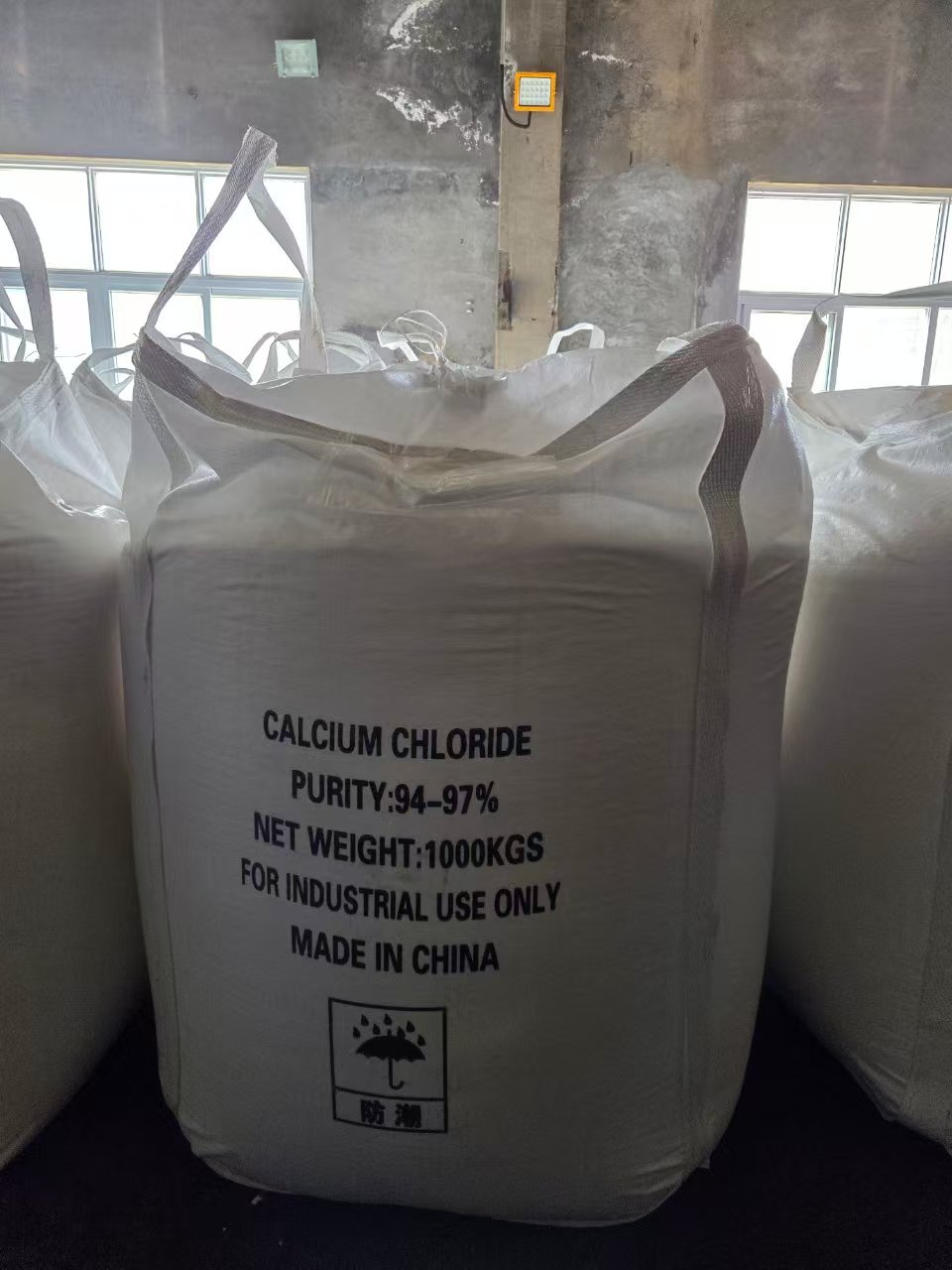
Handling bulk materials often comes with dust, inconsistent flow, and costly losses. Shifting to pellet form changes that entirely. Uniform pellets reduce airborne fines, making the workplace cleaner and safer without relying on elaborate dust suppression gear. Their consistent size and shape also eliminate the irregular bridging and ratholing that plague powders or flakes, ensuring steady discharge from silos and hoppers day after day.
Beyond smoother flow, pellets dramatically cut product loss during transfers. Grains, chips, or irregularly shaped particles tend to trap air and segregate, creating weak spots in packaging or generating giveaway at weigh stations. Pellets, on the other hand, pack more predictably. They fill containers with a higher bulk density and far less variation, which means tighter fill weights and less waste at the bagging line. In an operation running thousands of tonnes, that precision adds up fast.
The mechanical benefits are equally striking. Pelletized materials flow more gently against conveyor skirts, chute walls, and bucket elevators, reducing the abrasive wear that can eat through steel over time. Maintenance crews spend fewer hours patching liners or replacing seized bearings. Combined with lower energy draws because moving a free-flowing solid demands less torque, the shift to pellets often pays for itself through extended equipment life and quieter, more reliable conveying.
Sourcing Partners Who Understand Logistics Timelines
Great sourcing isn't just about finding the right product at the right price—it’s about knowing exactly when that product will leave the factory, hit the port, and arrive at your door. A partner who truly understands logistics timelines will factor in production lead times, seasonal port congestion, and carrier reliability before you even ask. They won’t just promise a date; they’ll walk you through the entire chain of dependencies so you can plan with confidence, not guesswork.
What sets this kind of partner apart is their ability to translate freight realities into your inventory planning. If a container is going to sit at the port for an extra week due to customs inspections or holiday backlogs, they tell you upfront—and often suggest contingency moves, like splitting shipments or using an alternate port. Their communication rhythm aligns with the shipment’s actual movement, not a generic report cycle, so you never have to chase updates while your shelves run empty.
Over time, this depth of logistics awareness transforms your whole supply chain. You begin to see patterns—like which factories consistently meet their cutoffs and which carriers handle last-mile during peak season best—and your partner proactively uses that intelligence to tighten your timelines. The result isn’t just on-time delivery; it’s a quieter mind and a business that runs on realistic, not aspirational, schedules.
Quality Checks That Go Beyond Standard Certificates
We have seen too many suppliers flash an ISO certificate and assume the product will speak for itself. The truth is, those paper shields often cover up inconsistent material sourcing, rushed final assembly, or calibration logs that were last updated when dial-up internet was still a thing. That is why our checks don’t stop at the framed document on the wall—we insist on walking the floor, pulling random samples from live production lines, and cross-checking the raw material certs against the batch that actually went into your order.
Instead of trusting a pass/fail report someone else handed over, we pair on-site inspection data with hidden-stress testing: thermal cycling for bonded joints, salt-spray exposure on surface treatments, or load-to-failure runs that reveal weaknesses no standard checklist covers. The difference shows up in the small things—a bracket that didn’t crack during the extra 500-cycle test, a weld that held beyond the minimum spec. That is the gap between being certified and being consistently reliable, and it is exactly the gap we close.
This approach also means our criteria evolve with what the market actually requires, not just what a 10-year-old standard demands. When a product category starts pushing lighter materials or tighter tolerances, we adjust the benchmarks before the official documents catch up. Clients get a snapshot of how their batch performs under today’s expectations, not yesterday’s compromise. It transforms quality from a checkbox exercise into something that can actually prevent field failures and costly downstream corrections.
Packaging Choices That Reduce On-Site Waste
Many packaging decisions that sound sustainable—like switching to biodegradable plastics—slowly backfire once they hit the loading dock. Without the right infrastructure, these materials end up contaminating recycling streams or clinging to machinery, adding hours of manual cleanup. Smart teams are now favoring formats that employees can collapse, stack, or return directly to suppliers within the same work shift, turning what was once an eyesore of shrink wrap and foam into a quiet rhythm of reuse.
The most quietly effective changes often happen at the pallet level. Replacing one-way cardboard slip sheets with reusable plastic versions can shrink dumpster pulls by a surprisingly sharp margin, especially in cold storage where damp cardboard loses all structural hope. Some sites now mandate that inbound shipments arrive on pooled pallets with clips instead of nails, making repair quick and disposal nearly nonexistent. This shift doesn’t need a grand announcement—it simply shows up as fewer bin calls on the monthly invoice.
Sometimes the packaging itself isn’t the problem; the air inside it is. Expanding foam or molded pulp might cradle a product perfectly, but if the void fill can’t be compressed or recycled on-site, it quickly buries waste stations. Operations are moving toward forms that flatten under a boot or feed straight into a baler without separating layers. When a pack station works with these materials daily, the difference is visible in cleaner floors and less time spent hauling bags out back.
Building Long-Term Supply Agreements with Transparent Pricing
Building Long-Term Supply Agreements with Transparent PricingFAQ
Our product consistently hits a minimum 94% purity with very low insoluble residues, which means less clogging and more efficient moisture control in industrial applications like oil drilling and concrete acceleration. We also pelletize under strict density controls to minimize dust during handling.
We operate dedicated storage terminals near major Middle Eastern and Asian ports and maintain buffer stock agreements with shipping lines. Real-time inventory visibility is provided to clients, and we can shift between containerized and bulk vessel loading depending on your intake capacity, avoiding demurrage and production gaps.
The material complies with ASTM D98 for road de-icing and ASTM E449 for industrial use. Our own QA lab runs multi-point sampling per lot, and we can share third-party certificates from SGS or Bureau Veritas upon request, not just a generic COA.
Absolutely. We offer 25kg woven bags with inner liners for most markets, but also jumbo bags up to 1,000kg, and we’ve recently started using laminated bags with moisture barriers for tropical climates. Custom printing and private labeling are available if volumes justify the setup.
Our standard MOQ is one 20-foot container, roughly 25 metric tons. For clients on regular schedules, we can dispatch within 10 to 14 days after contract confirmation because we keep a rolling stock for frequent destination ports. Larger spot orders may take an extra week for vessel booking.
We assign a dedicated trade coordinator who walks you through product specs, country-specific import regulations, and cost comparisons between pellets, flakes, and liquid solutions. We also connect you with freight forwarders we’ve worked with before to simplify the learning curve.
Pellets are hygroscopic, so we use vacuum-sealed liners where requested and palletize with stretch wrap to reduce moisture absorption. All shipments come with a handling guide that covers ventilation, stacking limits, and cleanup procedures in case of spillage – things most suppliers skip.
We have long-standing partnerships with distributors in the Middle East, Southeast Asia, and East Africa. For these areas, we can often arrange just-in-time deliveries via regional hubs, cutting total landed cost and giving you more flexibility than ordering directly from distant manufacturing bases.
Conclusion
Achieving steady, repeatable results in de-icing, dust control, or concrete acceleration depends heavily on the raw materials you bring in. With 94% calcium chloride pellets, the high active content means less guesswork when calculating dosage rates and a more predictable reaction, whether you’re treating roads in sub‑zero temperatures or speeding up a construction timetable. The pellet shape itself makes a tangible difference on the ground—it flows freely through silos and spreaders, resists bridging, and produces far less airborne dust than flake or powder, so your crews spend less time dealing with clogs and more time on the actual job.
That technical reliability only translates into a genuine supply chain advantage when you work with exporters who view logistics as part of their product. It’s about more than a certificate of analysis; it’s about partners who run extra checks on moisture content and particle integrity because they know those details determine how the material holds up in a humid port or a long-haul truck. They offer packaging tailored to your site—think bulk bags with easy-open spouts or dissolvable inner liners that cut down on wrapping waste—and structure agreements around transparent, indexed pricing so you can plan budgets without surprise surcharges. That combination of product consistency and operational awareness turns a simple raw material into a quietly dependable link in your own production chain.
Contact Us
Contact Person: Tom Cui
Email: [email protected]
Tel/WhatsApp: +8618663670626
Website: https://www.jinjigoldenchem.com