

Corrugated Rotary Die Making Equipment Manufacturer Selection Tips for Packaging Professionals
2026-10-30
Choosing the right corrugated rotary die making equipment manufacturer can quietly determine whether your packaging line runs at full tilt or limps through each shift. Yet too many packaging professionals still pick a supplier from a trade show handshake or an outdated referral. In this guide, you'll find selection tips rooted in what actually happens on the production floor—tolerance consistency, response time when things go wrong, and total cost of ownership beyond the invoice price. We'll also look at how manufacturers like ADEWO are redefining expectations, and how to spot the real difference before you sign a purchase order. No fluff, just the criteria that keep your rotary die cutting process profitable.
Where Precision Meets Corrugated Board Realities
In a production environment where a millimeter can decide between a stable stack and a collapsing load, the gap between blueprint tolerance and the actual behavior of corrugated board becomes painfully visible. Laser measurements and CAD models assume a homogeneous material, but real board flexes, absorbs moisture, and remembers the pressure of every roller it passed through. Precision here is not about hitting a number on a spec sheet; it's about listening to how the medium fights back, and adjusting your expectations to the physics you actually have on the line.
The machinery may promise repeatability within a few hundredths of a millimeter, yet a drop in relative humidity or a batch of recycled liner with slightly shorter fibers can shift flute heights and edge crush values overnight. Operators learn to read the subtle signals: a faint ripple in the double backer, a subtle increase in warp near the trim, the sound of a scoring rule biting too deep. The numbers on the control panel are only the beginning; the real calibration happens when you compare those numbers against the board's own story, written in creases, dust, and the occasional cracked edge.
What separates a competent corrugator from an exceptional one is the willingness to hold two contradictory ideas at once: that a machine can be tuned to remarkable accuracy, and that the material itself will always introduce a level of unpredictability no sensor can fully capture. The best process engineers spend as much time walking the wet end and feeling the paper as they do staring at screens. In that intersection—where a micrometer's certainty meets the honest sloppiness of recycled fiber and starch—you find the kind of practical wisdom that no software update can provide.
Matching Die Cutting Speed to Your Production Floor
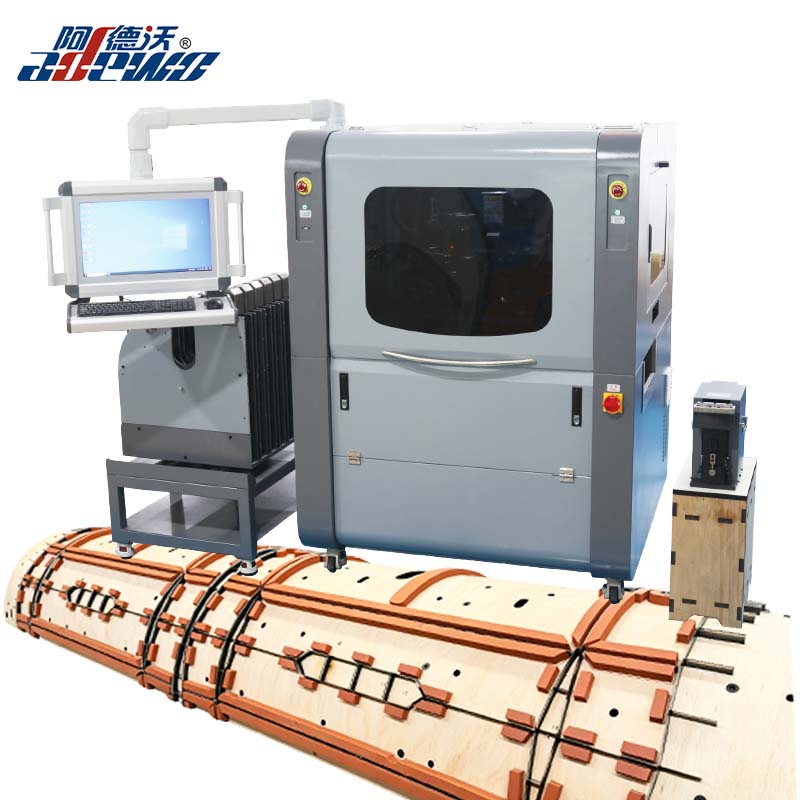
The fastest die cutter on the market will not help if your material cannot handle the acceleration or if the next station is already swamped. Matching speed means looking at the whole line, not just the cutting unit. For lightweight paperboard or thin films, pushing the upper speed limit often results in tearing, misregistration, or poor stripping. Start by timing your bottleneck operation—that is your real ceiling, not the machine spec sheet.
Then account for operator skill and job changeovers. A slower, steadied speed with fewer jam clearances frequently outperforms a frantic pace that stops every few minutes. For long runs with simple shapes, you can inch closer to rated speed once the setup is proven. For complex creasing, small cutouts, or kiss-cutting, dropping speed by 10 to 20 percent can reduce waste and tool wear more than it slows throughput.
Use a simple test: run three speeds for the same job and measure good sheets per hour, not cuts per minute. Compare scrap rates, downtime, and how often the operator has to intervene. The best speed is where output remains stable and defects stay within your normal tolerance. Adjust as your floor layout, staffing, or material suppliers change—what worked last quarter may not hold now.
Material Choices That Outlast Abrasive Corrugated Stock
Standard corrugated stock does fine for light duty, but once you introduce repeated sliding, vibration, or contact with rough-edged parts, the surface starts to shed fibers and the edges crumble. That breakdown isn't just cosmetic—it releases dust that can settle on nearby equipment and weakens the board until a corner gives way. If you're tired of replacing liners and dividers every few weeks, it's time to look at materials that don't rely on a thin kraft paper face.
High-density polyethylene sheet is a practical step up. It shrugs off abrasion from metal brackets and doesn't absorb oils or coolants, so it won't soften or delaminate after repeated cycles. For lighter applications, polypropylene honeycomb board offers a rigid core with a tougher skin than corrugated fiberboard, and it can be washed down between runs. Both options can be cut, routed, or scored to fit existing bin layouts without redesigning the whole workflow.
The upfront cost is higher than a stack of corrugated blanks, but the math changes when you account for how often those blanks get scrapped. A set of HDPE or composite panels often outlasts dozens of cardboard replacements, and they don't leave behind the same gritty residue. If your operation moves abrasive parts daily, choosing a material that can take that friction without falling apart is a quieter, cleaner way to keep lines running.
Reading Past Installations for Honest Performance Clues
A spec sheet can promise efficiency under ideal lab conditions, but installations that have been running for a few seasons tell a different story. Walking through a facility, listening to equipment cycle, and checking maintenance logs often reveals whether real-world output aligns with the original design intent. Small details like seal wear, filter loading, or unexpected vibration patterns tend to show up long before they appear in performance reports.
When reviewing past installations, it helps to ask operators what surprised them after commissioning rather than how the system performed on day one. Those honest answers usually expose sizing mismatches, overlooked environmental factors, or controls that needed constant manual override. Patterns across multiple sites become especially useful: if three separate buildings show the same pressure drift or temperature swing under similar loads, that is a clue worth taking seriously.
Service Response Times You Can Actually Expect
When you’re relying on a vendor to keep your operation moving, vague promises like “quick turnaround” don’t cut it. In practice, most reputable service providers aim for an initial acknowledgement within 15 to 30 minutes during business hours, with a detailed diagnosis or first fix attempt often landing within two to four hours for standard requests. Emergency issues—ones that halt production or take a system offline—typically get a faster path, sometimes under an hour, because those cases skip the regular queue. The real numbers vary by industry and contract tier, but if a company dodges specific time commitments before you sign, that’s a red flag worth probing.
Beyond the headline response time, pay attention to what happens after the first reply. A quick “we’re on it” email doesn’t mean the problem is being actively worked. Strong service teams track mean time to resolution (MTTR) and can tell you, without squirming, that minor fixes are usually wrapped up within one business day while complex bugs might take three to five. Weekends and holidays change the math unless you’ve negotiated 24/7 coverage. Ask for a sample of recent ticket timestamps rather than polished marketing decks—real data shows the gaps between acknowledgement, escalation, and actual fix far better than any brochure language.
Drive Systems and Their Day-to-Day Impact on Waste
Most facilities overlook how much waste their drive systems quietly generate until a bearing seizes or a coupling snaps. Every start-stop cycle, every misaligned shaft, every over-tensioned belt shaves tiny amounts of material off seals, gears, and housings. Over a year, those shavings end up in drip pans, filters, and floor sweepings, becoming a disposal headache that nobody budgeted for. The worst part is that these losses rarely come from catastrophic failure — they come from ordinary wear that gets ignored because the machine still runs.
A smarter approach starts with looking at the drive system as a waste producer, not just a motion provider. For instance, switching from traditional V-belts to synchronous belts can cut rubber dust and energy losses by more than half, while also extending replacement intervals. Similarly, proper shaft alignment reduces seal leakage and bearing fatigue, which means fewer oily rags and spent cartridges heading to the dumpster. Even small fixes like guarding against overgreasing — a common habit that pushes excess lubricant into the environment — can dramatically lower the volume of contaminated waste a plant generates each month.
The daily impact becomes visible when maintenance teams track waste by source. Drives that are poorly specified or haphazardly installed tend to produce not just metal shavings and lubricant residue, but also packaging waste from frequent part replacements and energy waste from higher friction. By contrast, a drive system that is monitored for temperature, vibration, and current draw will rarely surprise you with a mid-shift failure, and its upkeep generates far less refuse. In the end, treating drive health as a waste reduction strategy pays off in cleaner floors, lower disposal costs, and fewer unplanned stops that force you to throw away partially processed material.
FAQ
Look beyond catalog specs. Verify how each builder handles die registration under fluctuating board caliper and moisture levels. Ask for real production data from similar flute profiles and throughput targets. The best manufacturers will show you repeatable cut-to-print registration within a fraction of a millimeter, not just a theoretical tolerance. Also check whether their frames and bearing arrangements stay rigid after years of high-speed oscillation.
Request a paid trial on your own board stock, not their demo material. Measure scores, trims, and slot depths across a full shift run, not a single sample. Watch for drift as bearings warm up. Ask the manufacturer to disclose thermal compensation or preload methods. If they dodge this, you're likely buying a machine that needs constant manual correction.
Check whether they stock critical wear parts locally and can ship within 24 hours. Ask about remote diagnostics: a supplier who can watch servo logs and pinpoint a failing encoder before you hear a knock saves days of downtime. Also look for training that covers setup reduction, not just button pushing. A good partner sends an application engineer for the first complex job, not just an installer.
Die boards and anvils need matched hardness. Too soft an anvil wears grooves quickly; too hard an anvil transfers damage to the die rule. Ask for documented hardness profiles and case depth. Some manufacturers use induction-hardened anvils with a tough core to survive repeated re-grinds. Rule steel should be micro-grained and stress-relieved so it doesn't crack at the base after a few million impressions.
Get specific about slotting, creasing, and stripping pins for multi-out layouts. Can the manufacturer adjust the angular phase between die and anvil on the fly? Do they offer quick-change die cassettes that keep registration without shimming? Ask for a lineup drawing of your toughest SKU and have them mark where scrap evacuation might jam. If their answer is a generic "we can handle it," walk away.
Break down energy use per thousand boxes, expected anvil re-grind intervals, and replacement die board cost. Add in labor for setup and adjustment. Servo-driven machines often cut setup from 30 minutes to under 5. Consider scrap rates during startup and grade changes. A cheaper machine that wastes 2% more board across three shifts will erase its price advantage within a year. Ask for a one-year cost model with your actual product mix.
If your order mix includes frequent short runs, frequent size changes, or printed graphics that must align with tight windows, servos pay back fast. Manual phase adjustment often leads to "good enough" settings that drift. For long runs of the same box, mechanical machines remain cost-effective. However, if you're chasing e-commerce packaging with variable depths and handholds, the flexibility of servo-driven registration outweighs the premium.
Visits reveal things brochures hide: how clean the wiring is, whether operators trust the safety interlocks, how quickly a jam clears. Ask the reference plant about their worst day with the equipment, not their best. During your trial run, bring your most difficult board and your grumpiest operator. If the manufacturer is confident, they'll welcome both. A vendor that discourages reference visits or limits trial time is signaling that you'll be doing their field testing.
Conclusion
Selecting a rotary die maker for corrugated starts with accepting that lab-grade precision doesn't survive contact with recycled board unless the manufacturer designs for real sheet variation. You want dimensional accuracy that holds up when liners are inconsistent and flutes wander. Instead of chasing the highest advertised cutting speed, look at how the machine handles your actual mix of board grades—top speed means little if it stumbles on lightweight or warped sheets. Equally important is the metallurgy behind the anvil and die cylinders. Abrasive corrugated stock chews through ordinary tooling, so ask about hardened surfaces, coatings, or replaceable wear components rather than generic 'premium steel' claims.
A manufacturer's past installations often reveal more than a demo video. Talk to plants running similar box styles and volumes; ask about die life before resharpening, registration drift after long runs, and whether the rotary die maker's team showed up within hours or days when a shaft seized. Drive systems deserve a close look too. Direct servo drives tend to reduce scrap on short repeat jobs, while older line-shaft setups can create register creep that quietly inflates waste. Request specific response time targets for your region and clarify what's covered during the first year. The best choice balances the machine's mechanical honesty with a support network you can actually reach.
Contact Us
Contact Person: KAELYN LEE
Email: [email protected]
Tel/WhatsApp: +86 15012673758
Website: https://www.china-adewo.com