

Hotel HVAC Energy Saving Factory Solutions for Cutting Energy Costs
2026-09-25
Every hotel manager knows the pain of watching energy costs climb while guest comfort stays non-negotiable. Your HVAC system alone can eat up 40% of your electricity—so why are so many hotels still running on outdated factory settings? Tongbaote specializes in hotel HVAC energy saving factory solutions that cut waste at the source, and the proof is in the numbers.
Where Hotel HVAC Systems Waste the Most Energy
Guest rooms are the quiet culprits behind much of a hotel's wasted HVAC energy. When rooms sit empty for hours, thermostats often remain set to guest preferences—cool in summer, warm in winter—forcing systems to condition air that no one breathes. Add to that the habit of leaving curtains open or balcony doors cracked, and the cooling or heating load spikes without anyone noticing. In many properties, the lack of occupancy-based setbacks means the HVAC runs at full tilt for rooms that could easily drift a few degrees without complaint.
Public spaces tell a different story. Lobbies, hallways, and conference rooms frequently suffer from poorly zoned controls. A single thermostat might govern an entire floor, so while a packed ballroom fights overheating, an empty corridor gets blasted with cool air. Simultaneous heating and cooling is another common waste: one zone calls for heat while its neighbor calls for cooling, and the system ends up fighting itself rather than balancing the building. This is especially true in older hotels where retrofitted controls were patched together rather than designed as a whole.
Maintenance backlogs also quietly drain energy. Clogged filters, dirty coils, and slipping belts force fans and compressors to work harder than they should. When preventive upkeep falls behind, efficiency drops by ten to twenty percent before anyone sees a spike in the utility bill. Hotels that only react to breakdowns—instead of tracking runtime hours and filter pressure—end up paying for every deferred task in kilowatt-hours, month after month.
Factory-Built Solutions That Cut Hotel Cooling and Heating Bills
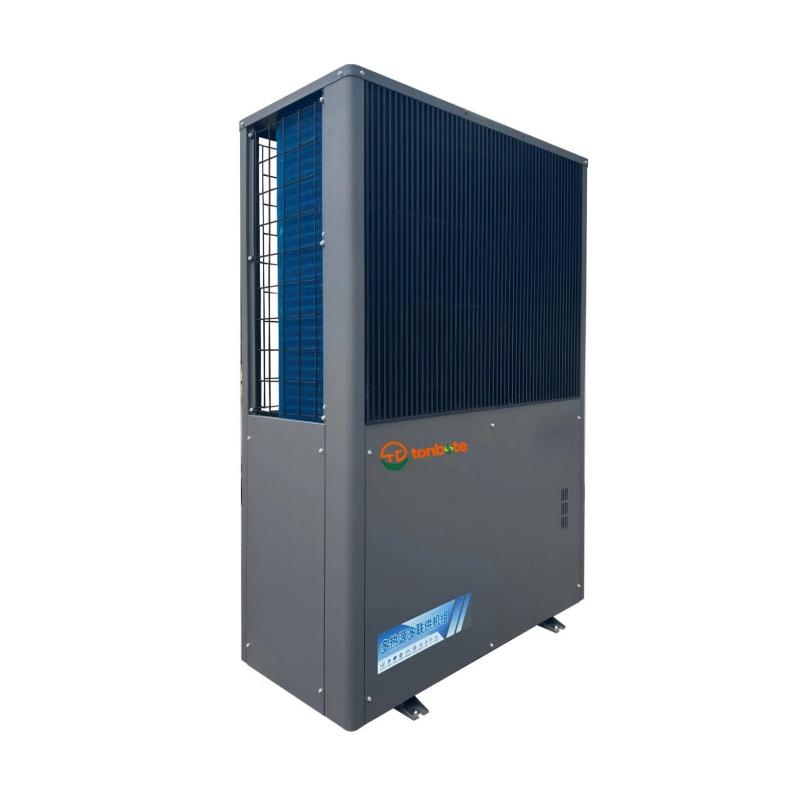
Most hotel owners never see the HVAC plant until something breaks. Yet that hidden equipment often devours over half of a property's total energy spend. Factory-built rooftop units change this by arriving pre-piped, pre-wired, and pre-charged, so a retrofit that once took weeks now lands ready to run in days. Because the assembly happens in a controlled plant rather than a windswept rooftop, joints fit tighter, refrigerant charges stay exact, and the commissioning checklist shrinks to a single page.
The real savings come from what happens after startup. Modular heat pumps and dedicated outdoor air systems built off-site pair variable-speed compressors with energy recovery that traditional split systems simply leave on the table. A hundred-room property can drop cooling and heating costs by thirty percent or more without touching guest-facing thermostats. Maintenance teams also stop chasing refrigerant leaks and belt alignments, since factory testing catches those faults before the unit ever ships.
For owners juggling aging infrastructure and thin capital budgets, this approach sidesteps the usual retrofit mess. Cranes set a factory-tested unit in one morning, and the building returns to full occupancy by evening. Year after year, the utility bills stay flat while neighboring hotels watch theirs climb with every rate hike.
Rethinking Maintenance to Lower HVAC Operating Costs
Many facilities treat HVAC upkeep as a checklist of filter swaps and belt checks, yet this narrow view misses where the real energy drain happens. A fresh look at maintenance starts with treating the system as a living network whose performance drifts with every season, occupant shift, and control tweak. Instead of waiting for breakdowns, forward-thinking teams now monitor subtle changes—static pressure creep, refrigerant subcooling drift, damper position errors—and address them before they compound into higher kilowatt-hours and premature wear.
Reframing maintenance as an ongoing tuning exercise rather than a reactive chore opens the door to meaningful cost reduction. For example, recalibrating economizer dampers that have fallen out of sync can trim cooling loads by double digits in mild weather, while cleaning fouled condenser coils restores heat rejection capacity that silently adds runtime to compressors. Small adjustments, such as resetting supply air temperature setpoints based on actual zone demand or replacing oversized filters with lower-resistance options, often yield payback within a single billing cycle—yet they rarely appear on standard preventive maintenance plans.
The biggest savings come from pairing this rethought maintenance with better data. Rather than logging inspections in a binder, progressive operators use trend logs from the building automation system to spot drift patterns that signal waste—like a VAV box stuck at full cooling while the space is overchilled. By shifting labor hours from routine lubrication toward targeted diagnostics and verification of actual performance, organizations can cut operating costs without capital upgrades, extending equipment life and keeping comfort intact.
The Hidden Energy Drains in Hotel Climate Control
Walk past any hotel room with a slightly ajar window and you'll spot one of the quiet culprits. A guest cracks the window for fresh air, but the wall-mounted thermostat keeps running the air conditioner at full tilt. The result? A silent tug-of-war between outside humidity and chilled air that can boost a single room's energy use by a third. Staff rarely catch it during a quick housekeeping pass, and the system never flags the conflict. Add a bathroom exhaust fan left humming all night, and the room becomes a small vacuum, pulling conditioned air straight out through the vent.
Another drain hides in the hallways and lobbies where thermostats are set for an imagined worst-case scenario. A front desk near a revolving door might blast heat all winter, but the cold drafts from the entrance make the sensor read low, so the boiler cycles endlessly. Meanwhile, unoccupied meeting rooms and banquet halls keep their preset temperatures for days, even when no event is booked. The energy slips away in these unglamorous corners, invisible on a monthly utility bill until someone starts comparing room-by-room load data.
Then there's the maintenance ladder effect. A clogged filter or a refrigerant charge that's drifted ten percent off spec won't trigger an alarm. The compressor just runs longer to hit the same setpoint, and the extra runtime gets buried in the noise of daily operation. Over a season, a single poorly maintained PTAC unit can consume as much as a small apartment. The cumulative impact only becomes clear when a hotel benchmarks its climate control against similar properties—often revealing a gap that no amount of guest towel-reuse cards can close.
Comparing Retrofit vs. Replacement for Hotel HVAC Efficiency
Hotel owners often face a tough call when their HVAC systems start underperforming: should they invest in a retrofit or go for a full replacement? The answer isn't always straightforward, as each path carries its own weight in upfront costs, energy savings, and operational disruption. A retrofit typically involves upgrading key components like compressors, fans, or controls while leaving the existing ductwork and piping in place. This can breathe new life into aging equipment without the expense of tearing out everything, and it usually means less downtime for guest rooms.
However, efficiency gains from a retrofit might plateau if the original system was poorly designed or severely degraded. Replacement, on the other hand, allows you to install the latest high-efficiency units sized correctly for current load demands, often unlocking significantly better performance and lower utility bills over time. The trade-off is a higher initial outlay and longer installation period, which can be a headache for a busy hotel trying to maintain guest comfort.
In many cases, a hybrid approach works best: retrofit the most energy-hungry parts now and plan for a phased replacement later. Evaluating factors like equipment age, refrigerant type, and projected occupancy patterns will help you decide which route delivers the best long-term value for your property's efficiency goals.
Smart Scheduling Tactics for Hotel HVAC Energy Savings
Many hotel operators run HVAC systems at full capacity around the clock, wasting energy in empty corridors and unoccupied meeting rooms. A smarter approach starts with mapping actual occupancy patterns: front desk data, key card activity, and event bookings reveal when zones truly need conditioning. Instead of a single building-wide schedule, split the property into blocks—guest floors, conference areas, lobbies—and assign each a baseline setback temperature. For example, unrented rooms can drift to 60°F in winter or 80°F in summer until a check-in triggers a rapid recovery period.
Tie these schedules to real-time signals rather than fixed clock times. Occupancy sensors in hallways and public restrooms can nudge setpoints up or down, while weather forecasts allow pre-cooling or pre-heating only when the outdoor temperature actually demands it. Avoid abrupt changes that strain compressors; instead, ramp temperatures gradually over 30 to 60 minutes. Some properties use a rotating “deep setback” cycle for low-use storage or back-of-house areas, pushing temperatures further for a few hours at night without compromising comfort.
Finally, verify the savings instead of assuming the schedule works. Track energy use per occupied room night and compare weekdays with similar weather conditions. Small adjustments—like delaying morning warm-up by 20 minutes or reducing airflow in unused banquet halls—often deliver 10–15% HVAC savings without a single guest complaint. Let the building’s own rhythm drive the timer, not a generic corporate policy.
FAQ
It tackles the biggest inefficiencies first—outdated chillers, constant-speed fans, and poor zoning. By adding variable-frequency drives, smart thermostats, and occupancy-based controls, the system only runs at full capacity when guest areas truly need it. Most hotels see a 20–35% drop in HVAC electricity almost immediately after tuning.
Yes. Instead of treating the whole building as one zone, the solution uses real-time occupancy sensors and historical booking data to adjust airflow and temperature room by room. Empty corridors and unoccupied rooms automatically scale back, while occupied suites stay within a narrow comfort band.
Typical payback falls between two and four years, depending on local utility rates and the age of the existing equipment. Some properties with high cooling loads in hot climates recover the investment even faster because the savings compound during peak season.
No. The factory-built modules are designed for retrofit, so installation usually happens in stages. You can keep guest floors operating while the mechanical rooms are upgraded. In many cases, the existing chillers and air handlers are kept—only the controls, drives, and sensors are added.
The core components are pre-assembled, wired, and tested at the factory before shipping. That removes a lot of on-site guesswork, speeds up commissioning, and reduces the chance of wiring errors or control mismatches. It also gives you consistent quality across multiple hotel properties if you manage a portfolio.
Those spaces have highly variable occupancy. The solution uses CO2 and motion sensors to detect actual usage, then trims supply air and chilled water flow when the space is empty or lightly used. You avoid the classic problem of a freezing lobby at 6 a.m. with nobody in it.
A cloud-based monitoring dashboard comes standard with the factory solution. It tracks energy consumption, equipment runtime, and fault alerts. If a fan or chiller starts drifting from its efficiency curve, the support team receives an alert—often before your maintenance staff notices a comfort complaint.
The modular design scales down easily. A 40-room boutique property might only need a few controller panels and a dozen smart sensors, while a 500-room resort can deploy the full package across multiple mechanical rooms. The energy-saving logic is the same; only the hardware count changes.
Conclusion
Hotel HVAC energy waste often hides in plain sight—aging chillers cycling at part load, poorly calibrated air handlers, and constant fan operation in unoccupied zones. These systems, designed for peak occupancy, rarely see that demand, yet they run at full tilt day and night. Factory-built HVAC solutions address this by pre-engineering modular plants, heat recovery units, and high-efficiency pumps in controlled settings, where quality control and component matching exceed field-built alternatives. The result is a drop-in system that slashes cooling and heating bills from day one, avoiding the inefficiencies that plague traditional retrofits.
Beyond the hardware, factory solutions enable smarter operation. Built-in sensors and variable-speed drives respond to real occupancy, while predictive maintenance flags refrigerant leaks or filter loading before they spike energy use. Comparing retrofit versus replacement becomes clearer when factory units offer a lower lifecycle cost despite higher upfront price—often due to reduced labor and waste. Hidden drains like simultaneous heating and cooling or duct leakage are systematically eliminated. Pair this with smart scheduling that aligns setpoints with check-in surges and event space bookings, and a hotel can cut HVAC energy costs by 20–40% without ever compromising guest comfort.
Contact Us
Contact Person: Wanshu Chen
Email: [email protected]
Tel/WhatsApp: +86-13662871206
Website: https://www.mbcee.com