

Top Steel Pintle Chains Supplier: Your Trusted Source for Durable Conveyor Solutions
2026-09-28
A single failed chain link can stop an entire conveyor line—and every minute of downtime chips away at your bottom line. That's why choosing the right steel pintle chain supplier isn't just about buying parts; it's about securing uptime. Raydafon has built its name as a top supplier of durable steel pintle chains, trusted by operations that demand more from their conveyor systems. Here's what makes their chains a cut above the rest.
Why Steel Pintle Chains Earn Their Reputation in Heavy-Duty Conveyors
Steel pintle chains don't just survive in heavy-duty conveyor systems—they thrive there because their design matches the brutal realities of moving abrasive, heavy, or irregular loads. The interlocking steel links, joined by a solid pin, create a continuous bearing surface that shrugs off impact and resists stretching far better than many roller chain alternatives. When a foundry dumps raw castings or a lumber mill runs bark-covered logs, the chain's open barrel and thick sidebars handle the shock without binding or snapping, which is exactly why plant engineers reach for them before anything else.
Another reason these chains earn their keep is the simplicity of their construction, which translates into easier field maintenance under pressure. There's no complex labyrinth of small parts to clog or misalign—just a robust pin and link assembly that can be repaired with basic hand tools, often right on the conveyor line. This practicality matters when every hour of downtime costs thousands, and it sets steel pintle chains apart from sealed, high-precision chains that demand clean rooms or specialized jigs.
Finally, their reputation rests on adaptability across harsh environments. From wet, acidic conditions in food processing waste lines to dry, dusty cement plants, the steel can be heat-treated or coated to resist corrosion and wear without sacrificing the chain's core strength. Competitors often talk about theoretical load ratings, but steel pintle chains prove themselves daily in places where failure isn't an option—and that track record, built over decades, is the real foundation of their name.
What to Look for in a Supplier That Won’t Let You Down
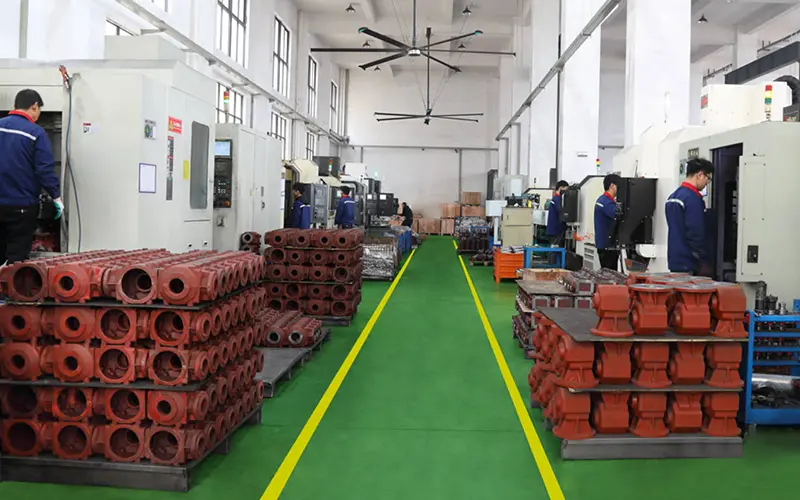
A dependable supplier isn't just about competitive pricing or flashy catalogs. It's about consistency when things go sideways. Start by digging into their track record with other clients—not just the polished testimonials, but the messy realities: how they handled a delayed shipment, a quality hiccup, or a sudden spike in demand. Ask direct questions about their contingency plans. If they hesitate or give vague reassurances, that's a signal. You want someone who treats your deadlines as non-negotiable and your standards as baseline, not aspirational.
Beyond promises, look for evidence of internal discipline. Do they have clear communication channels? Can you reach a real person when a problem arises, or are you stuck in a ticket queue? A supplier that documents its processes, shares production updates proactively, and admits mistakes quickly will save you from endless firefighting. Also check their financial stability—not through formal reports, but through signs like steady growth, long-term staff retention, and investment in equipment. A supplier hanging on by a thread will eventually drag you down with them.
Finally, trust your gut on the human side. A supplier that listens more than it talks, challenges your assumptions when something won't work, and shows genuine curiosity about your business is worth more than one that just says yes to everything. Reliability isn't a feature; it's a habit. Find someone who treats your success as their own metric, and you'll stop losing sleep over supply chain surprises.
How Heat Treatment and Alloy Choices Shape Chain Lifespan
The thermal path a chain steel takes—whether it's carburized, induction hardened, or through-hardened—determines not just surface hardness but the stress profile inside each pin and link plate. Carburizing builds a hard case over a softer, tougher core, which works well for absorbing impact without snapping. Induction hardening can localize wear resistance exactly where a roller meets the sprocket, but if the transition zone is too sharp, fatigue cracks tend to start there. Getting the heat treatment wrong often shows up as premature stretching or broken side plates rather than simple abrasive wear.
Alloy choice sets the floor for what heat treatment can achieve. Chromium and molybdenum allow a deeper hardened case, while vanadium keeps grain size small for better fatigue life. Yet using a highly alloyed steel in a chain that only needs moderate strength adds cost and can make the parts tricky to straighten after quenching. In a wet or mildly acidic plant environment, the nickel and chromium balance also affects rust pitting, which can become a stress concentrator. A chain built from a well-matched alloy and cycle-controlled heat treatment tends to hold pitch length far longer than one where the two decisions were made separately.
Matching Chain Configurations to Your Specific Conveyor Demands
Every conveyor line carries its own set of physical realities: product weight, speed, temperature, and the kind of abuse the chain will take hour after hour. Matching the chain configuration starts with reading those demands precisely. A light-duty food processing line might only need a corrosion-resistant stainless chain with small pitch and smooth top plates, while a heavy pallet conveyor may require a large-pitch, high-tensile chain with hardened pins and bushings to resist wear. Ignoring these distinctions often leads to premature stretching, jamming, or unexpected downtime that no amount of lubrication can fix.
Beyond basic load and speed, the chain's geometry must suit how the product moves and accumulates. For sharp inclines or vertical transfers, side-flexing or gripper chains can be essential, while straight runs with frequent stops benefit from low-friction materials and anti-backbend designs. In washdown environments, open barrel chains reduce debris trapping, whereas dusty or abrasive settings may call for sealed joints or special coatings. The right configuration isn't just about strength on paper; it's about how the chain behaves in tight turns, under reversing loads, and during temperature swings.
A practical approach is to map the conveyor's worst-case scenario rather than its average. Calculate peak chain pull, check side-load forces at transfer points, and note any chemical exposure or impact zones. Then compare those figures against manufacturer data for different chain series, but don't stop at the catalog numbers. Prototype testing on a short loop, even for a few days, reveals issues like noise, wear particle generation, or link stiffness that numbers alone miss. When the chain's configuration aligns with the actual demand profile, you get smoother operation, longer service life, and fewer emergency repairs on the line.
Practical Upkeep Habits That Keep Pintle Chains Running Longer
Lubrication makes a bigger difference than most people realize, but it's not about drowning the chain in grease. A thin, even film worked into the pins and bushings does more than a heavy coat that just collects dirt. Wipe the chain down first, apply a suitable chain oil or light grease while rotating it slowly, and let the excess drip off. Doing this at the end of a shift, while the metal is still warm, helps the lubricant penetrate the tight spots.
Check the tension and alignment every couple of weeks, not just when something starts making noise. A pintle chain that's too tight puts extra load on the pins and wears them oval; too loose and it can snatch, which hammers the links. Use a straightedge across the sprockets and adjust the take-up evenly on both sides. Also look at the sprocket teeth themselves—hooked or shark-fin profiles mean the chain has been running misaligned and will keep wearing unevenly until you correct it.
Cleanliness is another habit that gets overlooked. Mud, chaff, and grit act like grinding paste once they work into the joints. Knock off heavy debris with a stiff brush before it hardens, and if the chain has been in wet or corrosive conditions, give it a light wipe with an oily rag to prevent surface rust. When the machine is parked for a long stretch, slack the chain slightly and cover it if possible—storing under constant tension can lead to stiff links that pop and bind on startup.
Where These Chains Prove Their Worth in Everyday Operations
A packaging line lives or dies by the small gaps between cartons. When a roller chain stretches even a few millimetres, timing slips, labels land off-centre, and downstream sensors start rejecting perfectly good product. Maintenance teams learn to watch for that subtle rattle at the drive sprocket—it's often the first sign that a chain has earned its replacement rather than another adjustment.
In freezer warehouses, chains face a different test. Condensation freezes inside link plates, and standard lubricants turn to wax. That's where stainless or nickel-plated chain running dry on UHMW guides keeps pallet flow moving without the constant re-greasing that used to eat up Friday afternoons. Operators notice the difference most during peak season, when a jammed transfer chain can idle three forklifts and a whole shipping dock.
Bottling plants offer another proof point. The main conveyor might run 16 hours straight, but it's the short transfer chain between filler and capper that sees the worst punishment—sudden stops, product spills, washdown chemicals. Swapping to a hardened-pin chain with sealed rollers doesn't just cut replacement frequency; it changes how line supervisors schedule preventive maintenance. Instead of reacting to slop and wear, they plan chain swaps alongside filler valve rebuilds, turning a breakdown risk into a predictable task.
FAQ
You'll find them in lumber processing, agricultural equipment, waste management, and heavy manufacturing. The robust pin-and-barrel design handles impact loads and abrasive conditions that would quickly wear out lighter chain types.
Ask the supplier about surface treatments like zinc plating or black oxide, and whether they offer stainless steel pins or bushings. Also check the chain's pitch and side bar thickness—heavier dimensions usually indicate better resistance to bending and moisture-related wear.
Regular lubrication is key, especially in dusty or high-temperature settings. Inspect for uneven link wear and keep sprockets aligned. Replacing worn sprockets together with the chain prevents premature stretching and reduces downtime.
Yes, many suppliers can adjust pitch, width, and attachment styles. Provide accurate measurements of your existing sprockets and rail spacing, and ask for a sample link before committing to a full run.
Lead times vary with the supplier's stock levels and whether custom attachments are needed. Standard sizes might ship within a week, while made-to-order configurations can take three to six weeks. Always confirm production capacity before placing a large order.
Specialized suppliers tend to carry deeper inventory, offer engineering support, and understand tolerance requirements for critical applications. They can also match existing chain brands more accurately, reducing the risk of compatibility issues.
Look for cracked sidebars, severely elongated pitch, or pins that have visible grooves. If the chain has stretched more than 3% of its original pitch, it will likely damage sprockets and should be replaced as a set.
High-carbon steel provides a good balance of strength and cost for standard loads. For extreme tension or shock loading, alloy steel or induction-hardened pins may be necessary. Always match the chain's working load limit to the heaviest expected start-up torque.
Conclusion
Steel pintle chains have earned their place in heavy-duty conveyors not through clever marketing but through years of unglamorous, grinding work. Their open-barrel design shrugs off dust, grit, and temperature swings that would choke lighter chain systems, and when paired with a supplier who actually understands heat treatment and alloy selection, that toughness multiplies. A trustworthy source won't simply sell you a part number—they'll ask about your load peaks, your conveyor speed, your exposure to moisture or abrasives, and then match the chain configuration to those specific demands. That kind of attention separates a vendor from a partner, especially when a mismatched chain can mean hours of downtime and a costly rebuild. The right supplier also stocks the hardened pins, induction-hardened sidebars, and precision-pitched links that keep uneven wear at bay.
In practical terms, durability isn't just about what leaves the warehouse. It's about what happens six months later on the floor. Smart upkeep habits—regular tension checks, sprocket alignment, and watching for elongation—stretch chain life dramatically, and a supplier worth sticking with will offer guidance on those routines rather than just pushing replacements. Where do these chains prove their worth? In lumber mills dragging logs through sawdust, in wastewater plants moving sludge with zero patience for corrosion, in automotive lines where a snapped chain means a stopped shift. The common thread is the same: operators don't want to think about their conveyor chain every morning. A top steel pintle chain supplier makes that possible by delivering not just a product, but a quiet promise of continuity.
Contact Us
Contact Person: Mr. Shen
Email: [email protected]
Tel/WhatsApp: +86-574-87168065
Website: https://www.transmissions-china.com/